
Art and Design & Technology
Art
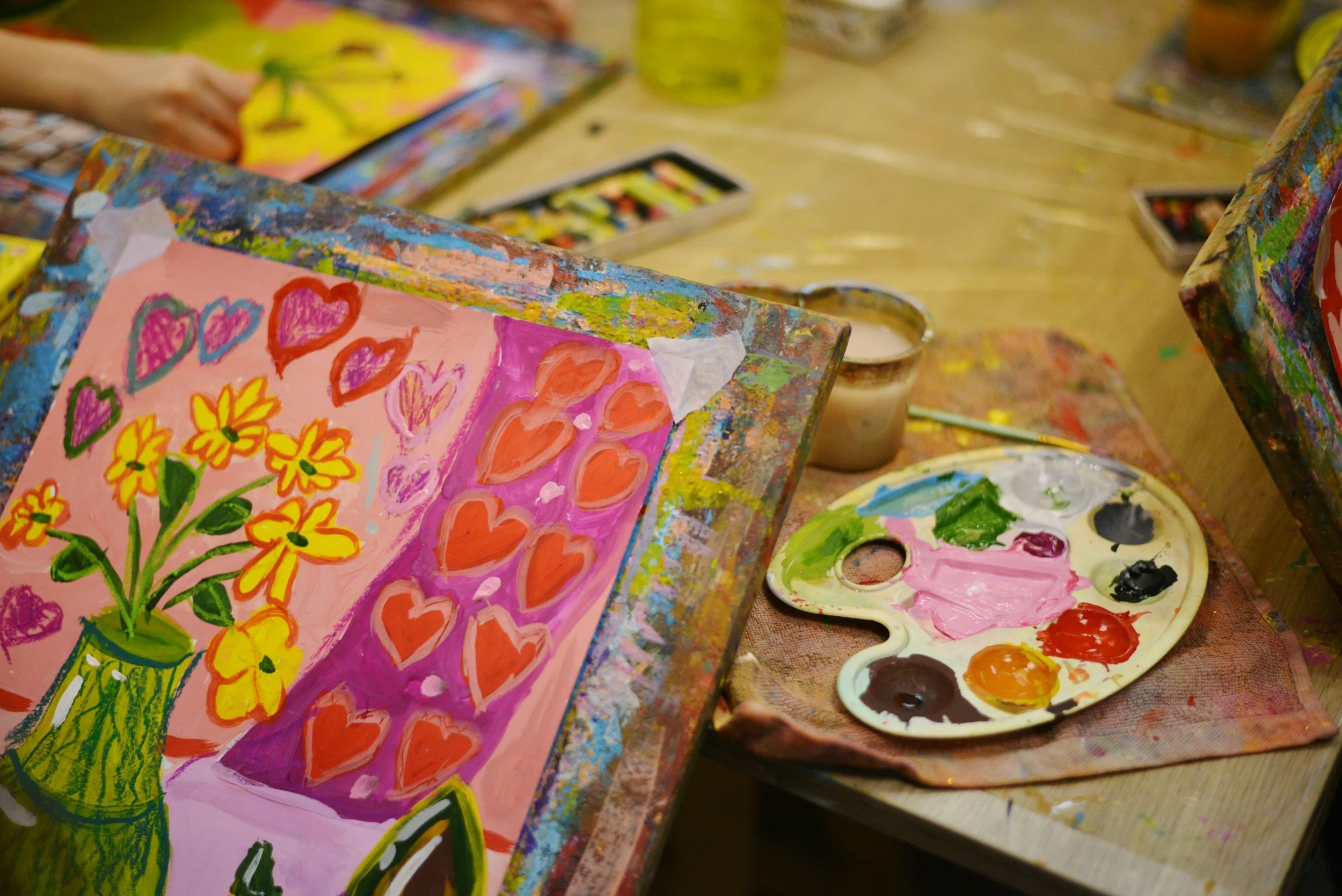
At West Wittering Primary School, we believe Art and Design is an essential part of children’s education, inspiring creativity, imagination and self-expression. Our curriculum aims to develop confident, curious and creative artists who can explore ideas, experiment with materials and techniques, and respond to the world around them, using our unique coastal location as a living canvas and constant source of inspiration.
Through three pillars of knowledge – practical, theoretical and disciplinary – pupils develop skills in drawing, painting, sculpture, printing, textiles and digital media; explore the work of diverse historical and contemporary artists, craftspeople and designers, alongside the rich talent of our local artistic community; and learn to evaluate, critique and make informed artistic judgements.
Our carefully sequenced, skills-based curriculum revisits and builds upon prior learning, developing pupils’ understanding of the visual elements of art: line, tone, texture, colour, pattern, shape and form. Through sketchbooks, practical experiences and enriching opportunities—from beach workshops utilizing natural materials to collaborations with local creators—children are encouraged to experiment, take creative risks and develop their own artistic identity.
By the time pupils leave our school, we aim for them to have the skills, knowledge and confidence to create, discuss and appreciate art, alongside a lasting enjoyment of creativity and an understanding of the important role art plays in our world, our local heritage, and across different cultures.
Design and Technology
At West Wittering, we believe that Design and Technology should be taught in a way that inspires creativity and imagination. Our pupils are encouraged to consider real-life problems: designing, making and evaluating products considering the product, purpose and user.
We provide opportunities for our children to research past and present designs and designers, understanding the impact that these products have had on daily life. When designing, children are encouraged to communicate their ideas through diagrams, mock-ups, and prototypes. They develop technical knowledge related to structures, mechanisms, textiles, and food technology, while also building practical skills through the safe and accurate use of tools such as scissors, saws, and drills. Children are encouraged to test and evaluate their ideas and finished products, ensuring they meet the original design brief.
Ultimately, we aim to develop an understanding of the impact of design and technology on everyday life and inspire our children to become resourceful.
